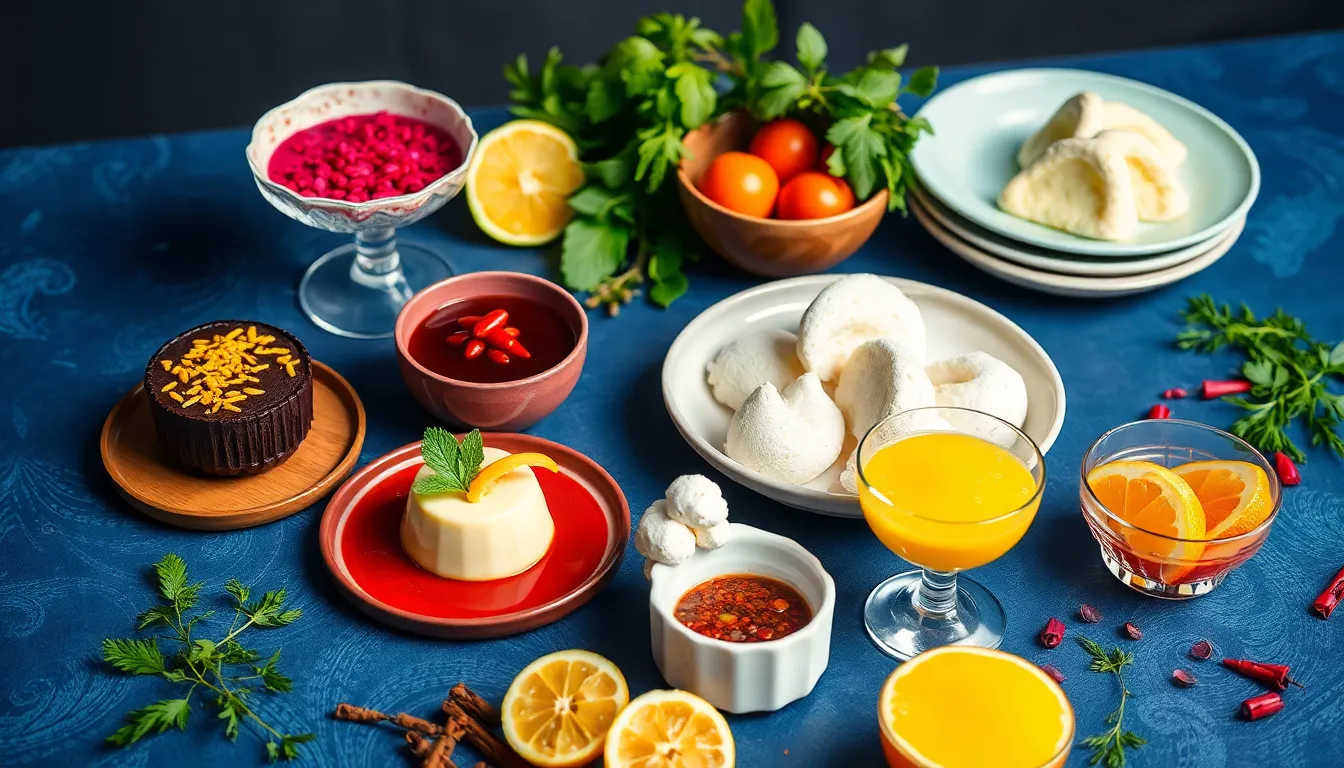
Imagine biting into a dish that dances on your taste buds, leaving you both puzzled and delighted. Welcome to the quirky world of “sadatoaf taste,” where flavors collide in ways you never thought possible. This isn’t just about food; it’s about experiencing a culinary adventure that tickles your senses and challenges your palate.
Whether it’s the unexpected zing of a citrus-infused dessert or the surprising warmth of savory spices in a sweet treat, sadatoaf taste promises to turn your dining experience upside down. It’s that delightful moment when your taste buds shout, “Wait, what just happened?” Get ready to embark on a flavorful journey that’s as entertaining as it is delicious. Who knew your taste buds could have such a sense of humor?
Understanding Sadatoaf Taste
Sadatoaf taste represents a culinary journey, showcasing unexpected flavor combinations that surprise and delight. This exploration challenges traditional notions of flavor, pushing boundaries and inviting innovation.
Origin of the Term
The term “sadatoaf” stems from blending various cultural influences in the culinary arts. Originating from the fusion of savory and sweet, it captures the essence of playful cooking. Chefs and food enthusiasts coined this phrase to describe unique combinations that evoke excitement. Examples of sadatoaf dishes often include fruits paired with savory elements, inspiring a deeper appreciation for diverse culinary practices.
Cultural Significance
Culturally, sadatoaf taste reflects the evolution of global cuisine. It encourages individuals to break free from conventional food pairings, fostering creativity. Many cultures embrace this adventurous approach to flavor, celebrating the art of cooking. Events featuring sadatoaf dishes evoke communal experiences, allowing people to bond over extraordinary tastes. This concept not only enriches culinary traditions but also amplifies the joy of dining, making meals memorable for everyone involved.
Characteristics of Sadatoaf Taste
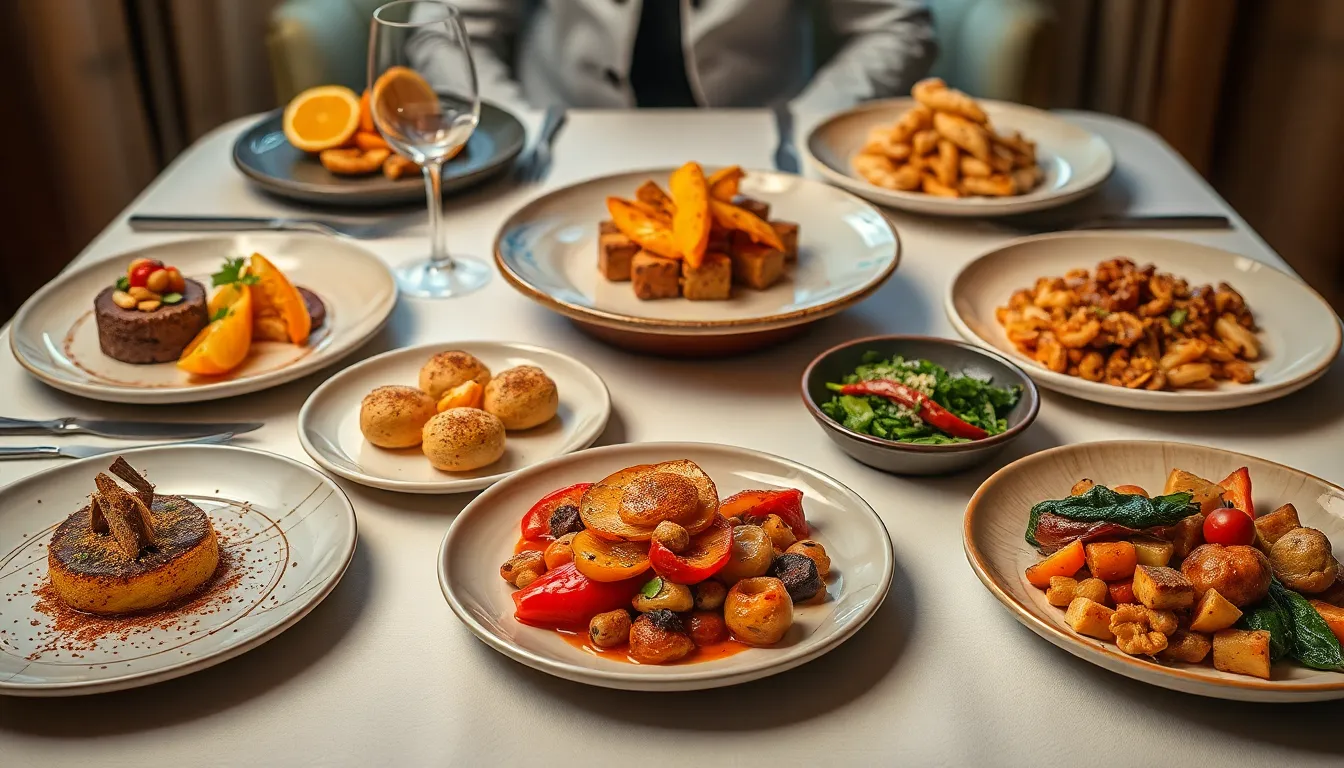
Sadatoaf taste embodies a unique culinary journey marked by unexpected flavor combinations. This section explores its distinct features.
Flavor Profile
Savory elements combine seamlessly with sweet tastes in sadatoaf dishes. Ingredients like citrus fruits elevate desserts, adding a refreshing zesty note. Spices typically found in savory dishes enhance the sweetness, creating a complex flavor experience. Flavors often surprise diners, challenging traditional expectations. Notable examples include chocolate paired with chili or basil infused in fruit sorbets. Combinations like these reveal layers of taste, inviting exploration beyond the conventional palate. Each dish showcases creativity, encouraging diners to embrace new culinary experiences.
Texture and Consistency
Sadatoaf cuisine excels in diverse textures that complement its bold flavors. Creamy elements frequently blend with crunchy components, providing a satisfying contrast. Smooth panna cotta served with crispy cardamom meringues exemplifies this harmonious balance. Dishes may mix soft and firm ingredients, allowing for varied mouthfeel. For instance, tender roasted vegetables served next to a crunchy nuts add depth to the dining experience. Every bite captivates the senses, enhancing enjoyment through texture or consistency. This playful exploration of textures forms a crucial element of sadatoaf taste, elevating the overall culinary experience.
How to Experience Sadatoaf Taste
Exploring sadatoaf taste offers a unique culinary adventure, inviting food lovers to discover bold flavor combinations. Engaging in this experience often starts with trying popular dishes.
Popular Dishes Featuring Sadatoaf
Savory and sweet pairings shine in various dishes that exemplify sadatoaf taste. Chocolate and chili create a rich dessert that surprises with heat. Another standout is smoked fish topped with a mango chutney, blending umami and sweetness perfectly. Basil-infused sorbets also delight, showcasing herbaceous notes in unexpected frozen treats. Dishes like these encourage culinary exploration and highlight the versatility of sadatoaf flavors.
Cooking Techniques to Highlight Sadatoaf Taste
Utilizing specific cooking techniques enhances the sadatoaf experience. Roasting vegetables mellows flavors and allows for caramelization, creating a sweet depth. Incorporating sous-vide methods preserves ingredients’ natural tastes while allowing unique infusions. Similarly, fermentation introduces new flavor complexities in sauces or pickles, amplifying their profiles. Techniques such as mixing and layering also play a crucial role, encouraging the amalgamation of contrasting flavors for memorable dishes.
Conclusion
Exploring sadatoaf taste opens up a world of culinary creativity and excitement. By embracing unexpected flavor combinations, diners can elevate their meals into memorable experiences. This adventurous approach not only challenges traditional taste boundaries but also encourages a deeper appreciation for diverse cuisines.
As chefs and food enthusiasts continue to innovate, sadatoaf taste will likely inspire more delightful pairings and communal dining experiences. Whether it’s a savory dessert or a sweet appetizer, the joy of discovering these unique flavors will keep palates engaged and eager for more. Ultimately, sadatoaf taste embodies the spirit of culinary exploration and the endless possibilities that arise when flavors collide.