

E-commerce is a system, not a set of tools
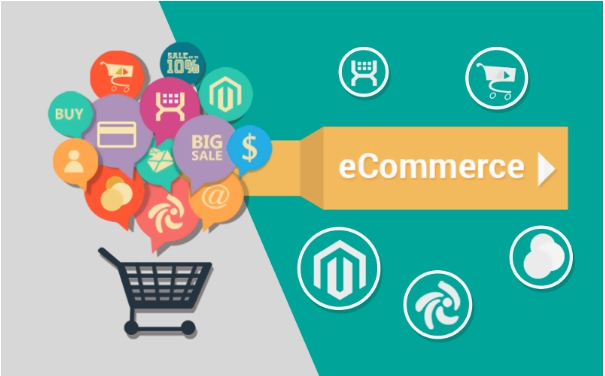
One of the key mistakes online store owners make is viewing e-commerce as a set of discrete tasks. In practice, all these elements directly impact each other.
If the website isn’t integrated with the accounting system, managers process orders manually. Without a connection to the warehouse, mis-sorting and cancellations occur. If marketing isn’t based on sales analytics, the advertising budget is spent ineffectively.
It is this integrated approach that allows us to build a unified system where data is transferred automatically, processes are synchronized, and the business operates as a coherent mechanism.
Standalone solutions don’t scale
At the start of an e-commerce project, individual services may seem convenient and inexpensive. However, as the number of orders, products, and sales channels grows, such solutions can no longer handle the workload.
Manual order processing, data duplication, and the lack of a unified customer and product database slow down the team’s work and increase the number of errors.
The integrated e-commerce development model, as proven by the experience of https://dinarys.com/, inherently allows for scalability: adding new sales channels, marketplaces, warehouses, or regions occurs without rebuilding the entire system.
The customer experience is shaped at every stage
A customer evaluates an online store not only by its website design. Their impression is influenced by:
● Order processing speed;
● Product availability;
● Ease of payment;
● Delivery times;
● Communication with support;
● Document accuracy.
When each of these stages is handled by a separate, unrelated tool, failures inevitably occur, which directly impact customer loyalty.
An integrated approach allows you to build an end-to-end customer journey (from the first click on an ad to repeat purchases and after-sales service).
Analytics and management are only possible with a holistic approach
Without combining data from different sources, an e-commerce business owner sees only a partial picture. Advertising reports are not linked to actual profits, website metrics to logistics, and sales to inventory levels.
A comprehensive solution allows you to:
● analyze sales channel profitability;
● forecast demand;
● manage inventory;
● make decisions based on data, not intuition.
Long-term savings
Using separate services often seems cheaper, but over time, costs mount: multiple subscriptions, integration refinements, staff errors, and lost orders.
An integrated approach reduces operating costs, automates routine tasks, and allows the team to focus on growing the business rather than putting out fires.
E-commerce requires a comprehensive approach because online sales are not isolated tools but an interconnected system of processes. Only a holistic solution can ensure stable operation, scalability, a high-quality customer experience, and managed growth. In a highly competitive environment, a systematic approach is the key to success in e-commerce.
