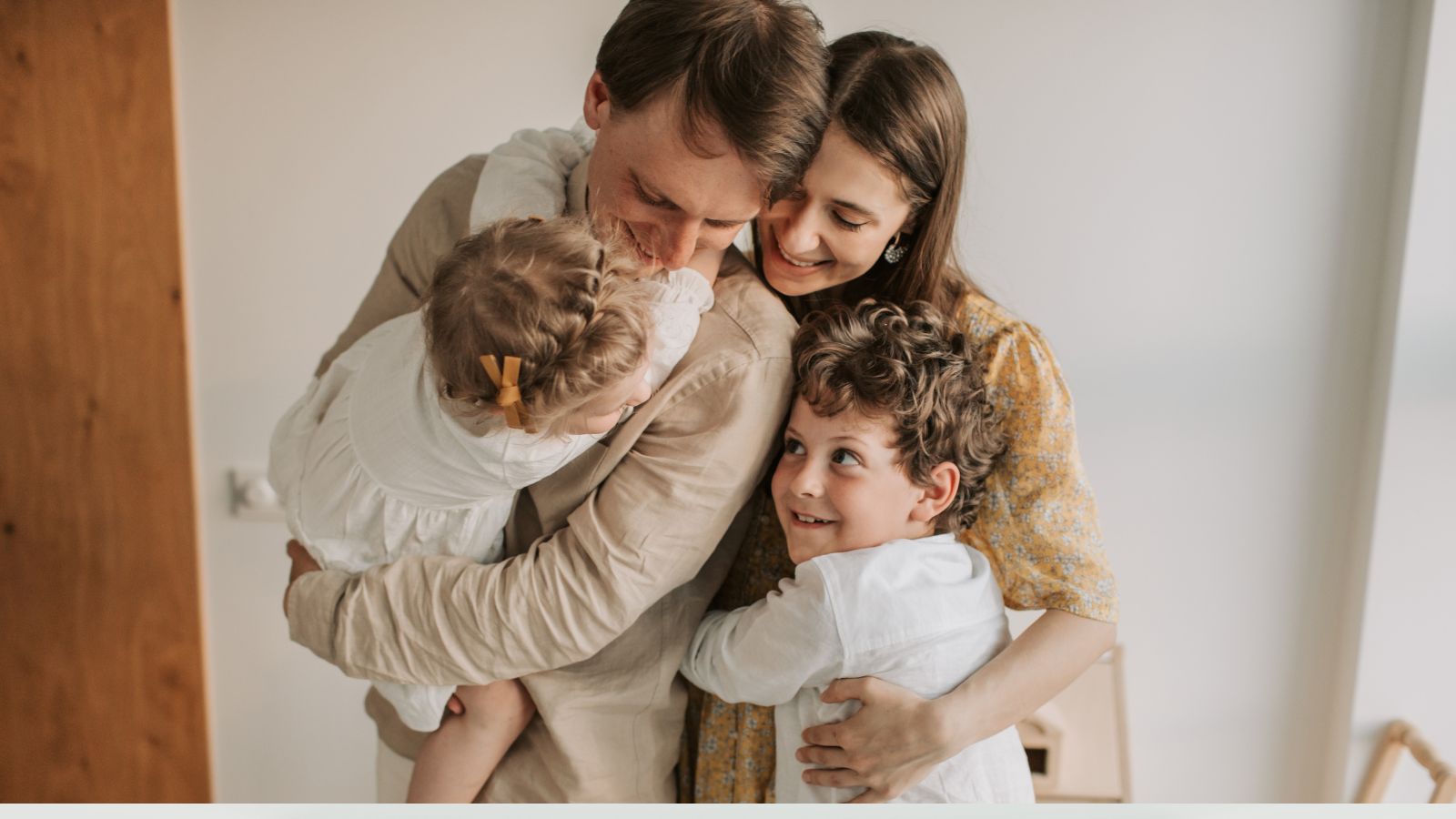
Every family possesses its own distinct historical background, which modern society tends to overlook. Family members can present their ancestral history as a valuable gift to their children. The ancestral connection enables children to establish their heritage identity. That understanding shapes who they are. The process can be simple. Start with what interests them. Respect their pace. Use everyday moments and objects to connect them to their roots.
Methods to Share Family History
There is no single right approach for sharing the story about your family. You can make use of different activities which will help the different senses and styles. This will make the stories come alive.
Photos and Videos
Visual records are powerful portals to the past. A faded photograph captures a moment with immediacy. Begin by looking through albums together. Ask open questions. For example, “Who do you think this person might have been?” This causes curiosity. Narrate the stories behind the images. Explain who the people were. Describe their personalities and the context. Do not just identify your great-grandfather. Mention his famous laugh or his garden. Old family videos are especially captivating. They make family history concrete and relatable for young minds.
Build a Family Tree
A family tree changes words into a picture that shows connections. Children can better see how they relate to the world. Create a simple hands-on assignment. Gather a large poster board. Let the children add their pictures or names to the branches. As they name the branches, they should understand their relationships. For instance, define the differences between cousins and great-grandparents.
For a digital option, online tools can be engaging. A platform like MyHeritage family tree allows users to build, visualize, and explore their family connections interactively. The interactive function creates a detective game.
Interview Relatives
Most importantly, there is no substitute for interviewing older relatives when learning about family history. This method makes the sharing of stories personal. You should help your children create basic interview questions, such as “What was your favorite food as a kid?” The discussion may be carried out using digital tools or through direct, in-person interaction. It’s vital to record these sessions to capture emotions and voices.
Memory Books and Journals
A family memory book is something in process. It’s a documentation of your shared story. Of course, it can be in many different forms. Remember to start a journal about funny quotes or small times in the family. Or even make a scrapbook for your kids about stories from older family members.
You can also include your children in the making. They can illustrate pictures from a story that one of the grandparents has told them. They can write captions for photographs. This encourages narration and storyline. This gives them ownership over their family’s history. The book becomes alive since you return to it year after year.
Create Traditions
Traditions serve as the essential foundation that defines a family’s cultural identity. They are rituals that carry meaning forward. They can be perfect vessels for history. Revive an old tradition from your childhood. Perhaps prepare a specific ancestral recipe for holidays. Explain its origin as you do it. You can also invent new traditions.
Create an annual “family history night” with stories and photos. Or start a birthday ritual, sharing memories. Involve kids in choosing and carrying out these traditions. This makes them active participants in crafting their legacy.
Use Objects
Sometimes, everyday objects are powerful storytellers. Discuss, for example, what an heirloom signifies. An heirloom is a physical object from our lives. In addition to heirlooms, everyday objects can tell stories. This way, children have questions. For example, if they have a card with a favorite family recipe or a quilt, they will be curious. If you have access to land that was originally owned by your ancestors, objects will be significant. This object, such as a rock, signifies a different time and location.
What to Share from Your Family History
Share stories that match the age of your kids and maintain their interest. Focus on character and resilience. You should present the basic human qualities, which your ancestors embodied, to demonstrate the various paths your family has taken.
Ancestral Journeys
You should share your family history with your children. Your family legacy will be discovered by your children through this method. One good thing to share with your kids is your family legacy. Explain to them some historical locations where their grandparents lived in the past. Explain to them some challenges your ancestors encountered while living in a certain region or nation. These are some legacy and strengths you have. Let your child know about your most memorable life events.
Pointing out that a great-grandparent grew up at a time when automobiles were just beginning to appear makes history feel immediate and real.
Childhood Memories
You have memories of your own childhood, which you should use as good beginning points for what you are going to say. Kids always love hearing parents reminisce about memories. So, for instance, you have memories of going to school for the first time, or memories of why you loved birthdays. Tell them about your first job, or tell them where your favorite hideout was in life. These are ways through which you get to tell them about who you are.
Values and Beliefs
For this category, share something about intangible heritage. This could be spiritual stories, moral lessons from your own family, special holidays, and special ways you celebrate these special holidays. You could also share a personal experience about a family member who proved to be good and truthful in facing a problem in life. The stories people tell about their life experiences should include religious elements, cultural traditions, and personal life stories. The stories teach children to understand their distinct identity as special individuals.
Why Family History Is Important for Kids
Knowing your family’s past is not just a fun thing to do. Studies show it actually helps kids in many ways. It’s good for their feelings and minds. Sharing family stories helps them grow as people.
Creates Identity and a Sense of Belonging
Family history provides a clear narrative that answers the question: ‘Where do I come from?’ The narrative places the child on a continuum. This instils in them an incredible sense of belonging. The child gets to know that they belong to something. This is especially helpful during adolescence. This sense of belonging instills in them an incredible sense of identity.
Boats Self-Esteem in Children
Knowing family history is associated with how well you feel about yourself. In a study from Emory University, a set of questions was developed. Kids who know more about their family usually recover better from tough times. Hearing stories of family achievements helps them learn about their own strength. This gives them confidence that they can face any challenge.
Improves Emotional Skills
Family stories can act as important tools for the creation of emotional intelligence. From the stories, we are shown how to handle sadness and how to have a great time. Children develop their ability to handle problems through the knowledge they gain about the problems their family members face. People face difficulties; the way each person deals with their difficulties is unique. The approach can lead to the creation of empathy. In addition, it assists with the creation of problem-solving ability and emotional intelligence.
Conclusion
Family history-sharing, as a continuous activity, also enhances its significance over each progressive moment. By sharing, you provide a safe setting in which they come to trust you. From the information you share, they are able to attain knowledge, as it assists them in identifying their path to take in life. The family history you share with them serves as a true gift of strength to them.