
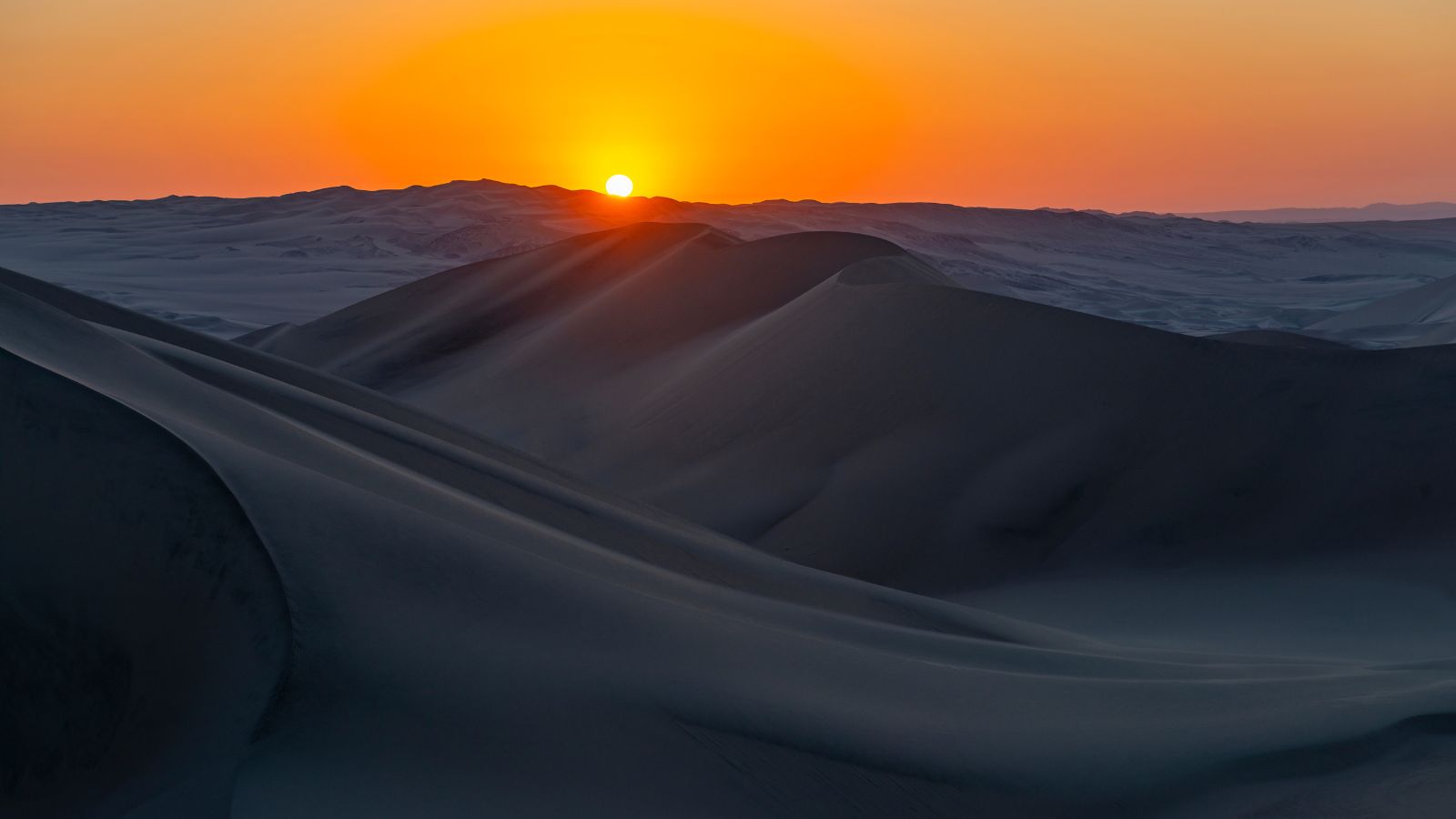
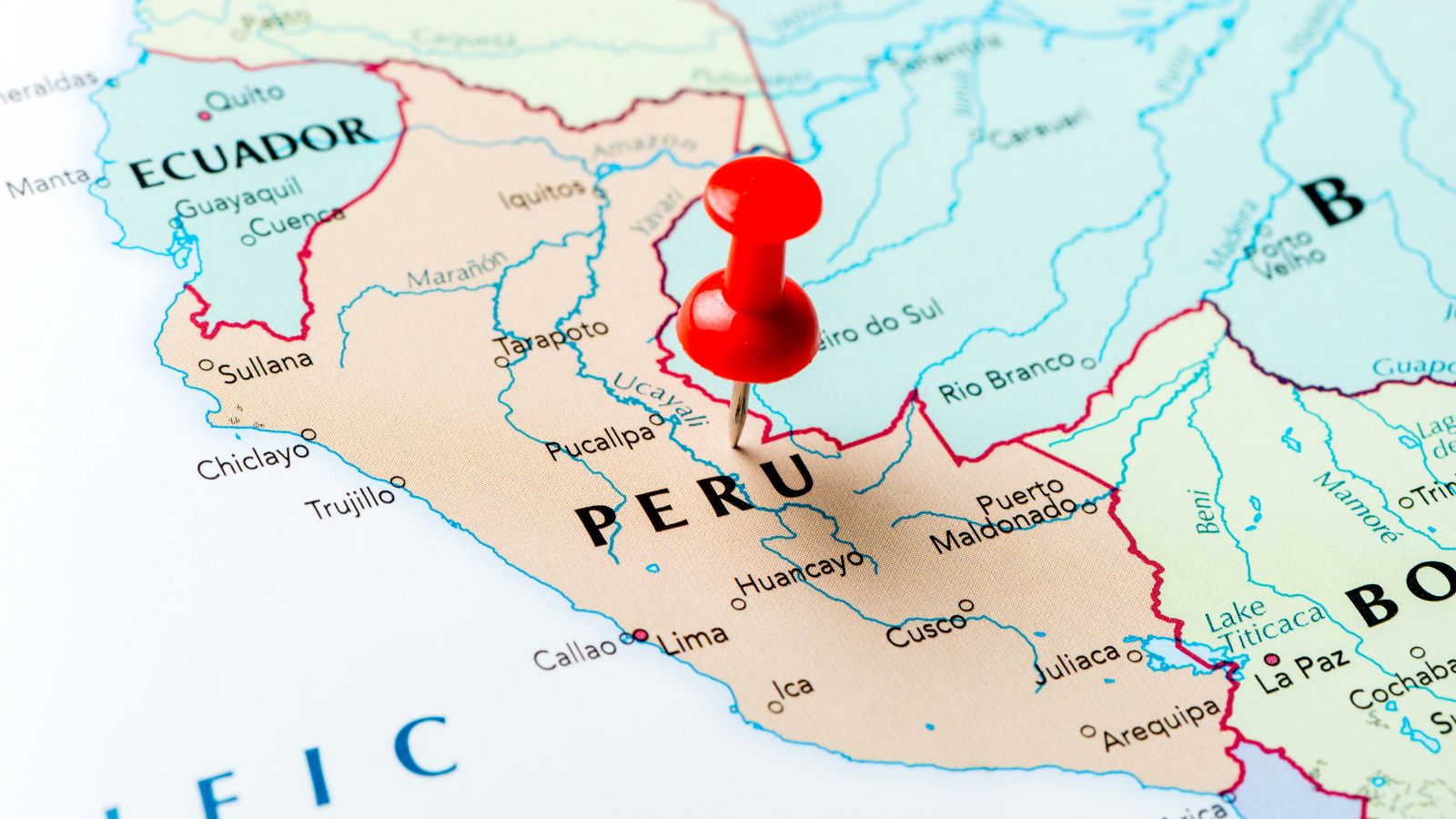
Peru is a country that feels purpose-built for nomadic travel. Its geography alone tells a story of constant movement, rising from the Pacific coast into the towering Andes before descending into the vast Amazon Basin. For travelers who prefer journeys shaped by landscapes rather than checklists, Peru offers an experience defined by transitions—between climates, cultures, and ways of life. Each region invites a different rhythm, making the country especially compelling for those who value adaptability and depth over surface-level exploration.
When planning such a multifaceted journey, many travelers explore Peru tours packages to understand how long distances and varied terrain can be navigated efficiently. Thoughtfully designed routes can help connect high-altitude cities, remote valleys, and rainforest regions while still leaving space for personal discovery, an approach that aligns well with a nomadic mindset.
Peru as a Land of Constant Transition
What sets Peru apart is not just the presence of iconic landscapes, but how abruptly they change. In the span of a single day, it is possible to move from sea-level deserts to alpine passes thousands of meters above, then descend toward tropical lowlands. These transitions shape everything from architecture and clothing to food and daily routines.
For nomadic travelers, this constant shift keeps the journey dynamic. There is no single “Peruvian experience,” but rather a series of regional identities connected by history, trade routes, and shared resilience. Understanding this diversity early on helps travelers adjust expectations and travel pace accordingly.
IMAGE ONE: https://unsplash.com/photos/mountain-under-gray-clouds-hjanvZlqoB8
Life in the Andes: Altitude, History, and Movement
The Andes Mountains form the backbone of Peru and remain central to its cultural and environmental identity. Cities such as Cusco, Arequipa, and Huaraz sit at elevations that immediately influence how travelers move and rest. Acclimatization becomes part of the journey, encouraging slower exploration and greater attention to physical well-being.
Historically, the Andes supported complex societies that mastered agriculture, engineering, and long-distance communication in extreme terrain. Remnants of this ingenuity are still visible in stone roads, terraced hillsides, and highland villages where daily life continues much as it has for generations. For nomads, the Andes offer a powerful lesson in adaptation—how people and movement evolve together in demanding environments.
The Sacred Valley and Ancient Routes
Between Cusco and Machu Picchu lies the Sacred Valley, a region that illustrates how geography guided both ancient and modern travel. The Urubamba River cuts through fertile land surrounded by steep mountains, creating a natural corridor that has been used for centuries.
Villages along this route retain strong cultural identities, and markets, farming practices, and festivals reflect seasonal cycles rather than tourism schedules. Moving through the Sacred Valley is less about rushing between landmarks and more about observing how space is used and valued. For nomadic travelers, this slower, observation-driven experience often becomes one of the most memorable parts of Peru.
IMAGE TWO: https://unsplash.com/photos/green-grass-field-during-daytime-TMHr-c4U1BE
Machu Picchu and the Meaning of Arrival
Machu Picchu represents both a physical and symbolic high point for many journeys. Reaching it—whether by train, trekking route, or a combination of both—reinforces the idea that arrival is shaped by the path taken. The site’s remote location and careful integration into its surroundings reflect an understanding of movement, visibility, and protection.
Rather than standing alone as a single destination, Machu Picchu makes the most sense when viewed as part of a broader Andean network. For travelers accustomed to long routes and evolving journeys, this perspective transforms the visit from a photo opportunity into a deeper exploration of place.
Descending Into the Amazon Basin
Leaving the Andes and entering the Amazon Basin feels like crossing into another world. Temperatures rise, vegetation thickens, and rivers replace roads as primary routes of travel. Cities such as Puerto Maldonado and Iquitos serve as gateways, but the real experience begins beyond urban edges.
The Amazon is not a single uniform jungle, but a complex system of forests, waterways, and communities. For nomadic travelers, navigating this region requires flexibility and respect for local knowledge. Movement here is shaped by weather patterns, river levels, and ecological rhythms, reinforcing the idea that travel adapts to nature rather than the other way around.
IMAGE THREE: https://unsplash.com/photos/a-body-of-water-surrounded-by-palm-trees-hxS52aBVPow
Nomadic Life and Indigenous Knowledge
Across Peru, Indigenous knowledge systems continue to guide how people interact with their environment. In the Andes, this may involve agricultural calendars based on celestial observation. In the Amazon, it includes medicinal plant knowledge and sustainable hunting or fishing practices.
For travelers who value learning through experience, engaging with these perspectives adds depth to the journey. It also highlights a form of nomadism rooted not in constant relocation, but in long-term understanding of place. Observing these practices encourages reflection on how modern travel intersects with much older ways of moving through the world.
Transportation, Distance, and Time
Peru’s scale makes transportation a central consideration. Long bus journeys, domestic flights, and river travel all play roles in connecting regions. Unlike smaller countries where distance feels negligible, Peru requires intentional planning around time and energy.
This reality often resonates with nomadic travelers, who are accustomed to balancing movement with rest. Travel days become part of the experience rather than obstacles to be minimized. Watching landscapes change from a bus window or riverboat reinforces the sense of journey that defines nomadic exploration.
Food as a Reflection of Geography
Peruvian cuisine mirrors the country’s regional diversity. In the Andes, meals emphasize grains, potatoes, and hearty soups designed for cold climates and high energy demands. Along rivers and coasts, fish and lighter preparations dominate, while the Amazon introduces ingredients unfamiliar to many outsiders.
For long-term travelers, food becomes both sustenance and cultural education. Markets, street stalls, and small restaurants offer insight into local economies and daily habits. Adapting to regional diets is another way nomads integrate into the rhythm of travel rather than remaining separate from it.
IMAGE FOUR: https://unsplash.com/photos/people-sitting-on-chairs-during-daytime-HmN43aj__vM
Climate Awareness and Seasonal Travel
Understanding Peru’s climate is essential for navigating from region to region. The dry season in the Andes differs from rainfall patterns in the Amazon, and coastal conditions follow their own cycles. These variations influence accessibility, trail conditions, and river travel.
Nomadic travelers often find that aligning with seasonal rhythms improves both comfort and experience. Rather than forcing a fixed itinerary, adjusting movement to environmental conditions reflects a more responsive and sustainable approach to travel.
Why Peru Speaks to the Nomadic Mindset
Peru rewards curiosity, patience, and adaptability. It challenges travelers to think in terms of regions rather than highlights and encourages movement that responds to terrain, culture, and climate. For those drawn to nomadic travel, the country offers constant learning without demanding constant speed.
From high mountain passes to winding jungle rivers, Peru invites travelers to experience transition as the core of the journey. Each shift in landscape brings a shift in perspective, reinforcing the idea that travel is not just about where you arrive, but how you move between places.
