
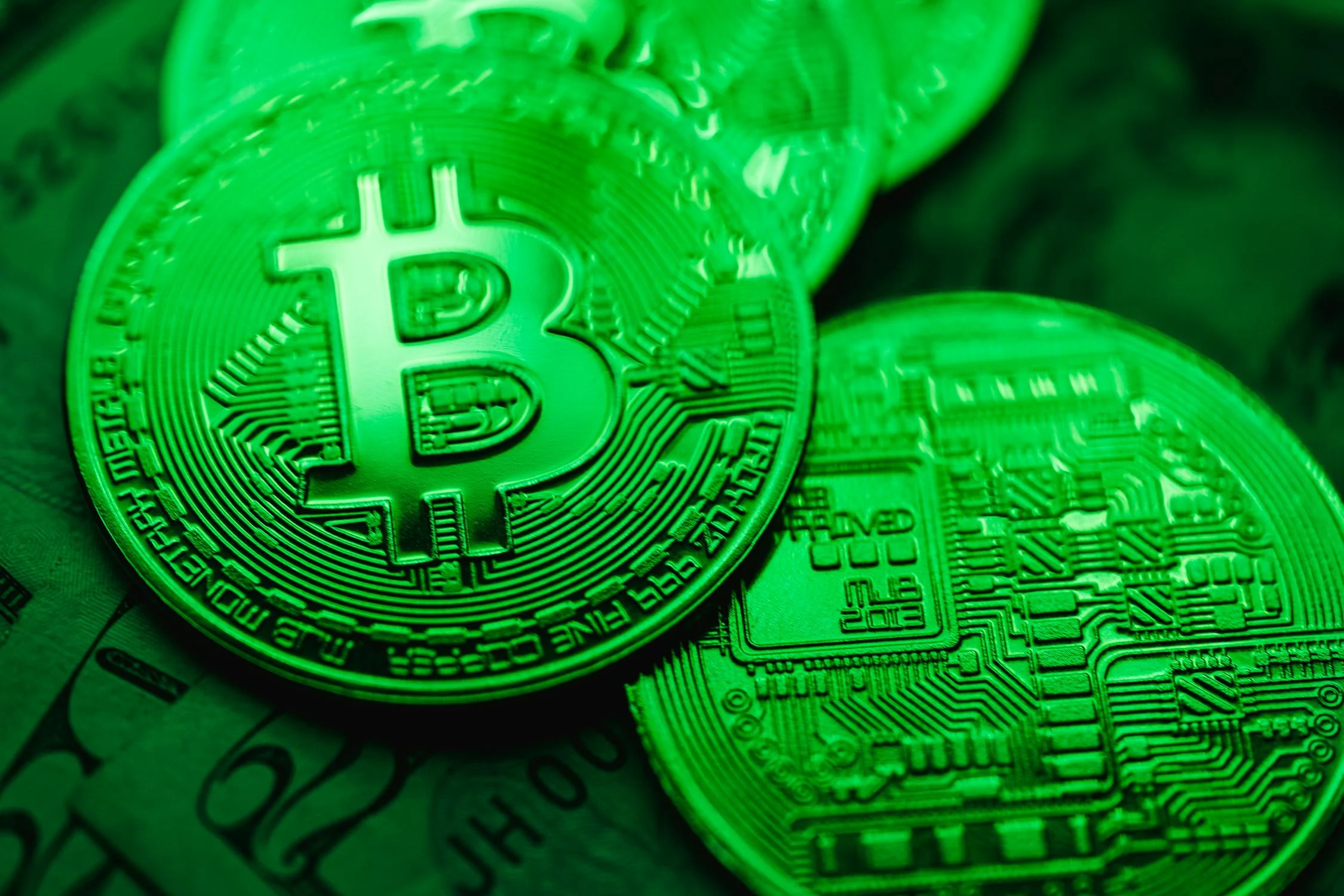
The cryptocurrency market is experiencing remarkable growth. It is fueled by increasing acceptance among individuals and institutions, as well as innovations in decentralized finance and blockchain technology.
According to Statista, projected revenue in the global cryptocurrency market is expected to reach USD 45.3 billion in 2025. The average revenue per user in this market is anticipated to be USD 52.7 in that same year. This surge reflects the expanding user base and the growing integration of digital assets into mainstream financial systems.
As sustainable investing becomes a central focus for both retail and institutional investors, “green crypto” and ESG-aligned portfolios are capturing significant attention. However, beneath the promise of eco-friendly blockchain projects and sustainable portfolios lies a complex landscape of risks.
This article explores key risks and the due diligence needed for investors in green crypto and sustainable portfolios.
The Evolution of Green Cryptocurrencies
Cryptocurrencies have faced criticism for their environmental impact, particularly due to the energy-intensive proof-of-work (PoW) mechanism.
According to The Conversation, crypto mining is a fundamental part of the proof-of-work (PoW) system used by many cryptocurrencies. It relies on specialized computers solving complex mathematical equations, which consume significant amounts of energy to validate transactions and generate new coins.
This has led agencies like the International Energy Agency and the United Nations to raise alarms, especially regarding Bitcoin, the most prominent PoW-based asset.

In response, green cryptocurrencies such as Cardano and Tezos have emerged, using more sustainable proof-of-stake (PoS) mechanisms. These alternatives reduce energy usage and appeal to environmentally conscious investors while offering diversification benefits.
However, the transition to greener protocols is not without its hurdles. Blockchain networks must still maintain decentralization, security, and scalability, essential pillars of their functionality. Additionally, some projects claim to be eco-friendly, but limited transparency and third-party verification make it difficult to assess their true impact.
This lack of clarity underscores the importance of cautious, well-informed investment decisions in the green crypto space.
Understanding the Risks of Green Crypto
Behind their eco-friendly promises lie nuanced risks that demand scrutiny from investors. These include:
Regulatory Uncertainty and Market Volatility
The regulatory landscape for crypto is rapidly evolving, with governments intensifying scrutiny of digital assets, especially their environmental claims. For green crypto, this means heightened transparency demands.
Regulatory news often triggers sudden price swings, as new rules can force projects to relocate or exit the market. Investors must brace for such volatility, understanding that today’s “green” asset could face tomorrow’s regulatory hurdle.
This challenge is compounded by Bitcoin’s decentralized nature. As The Guardian notes, this implies there is no one accountable for the issues caused by the cryptocurrency, such as its significant environmental damage.
Activists are urging major financial institutions like Fidelity to leverage their influence to incentivize a code change in Bitcoin. They argue such a move would be “a win for bitcoin and for climate and for communities.” This highlights how regulatory pressure and calls for accountability are shaping the market, making vigilance essential for investors.
Technological and Scalability Challenges
Green cryptocurrency faces substantial technological hurdles. While Proof-of-Stake (PoS) networks are energy-efficient, they can introduce new complexities like network centralization, where large stakeholders gain disproportionate influence. This undermines decentralization and can concentrate on environmental decision-making.
Scalability remains a significant challenge. Many green networks struggle with transaction volumes comparable to traditional systems. This may push users to less environmentally friendly Layer-2 solutions, negating initial “green” benefits.
The rapid pace of crypto innovation also creates obsolescence risks, as today’s eco-friendly project might be surpassed by tomorrow’s more efficient technology. Moreover, the true environmental impact extends beyond energy to e-waste from mining and infrastructure, often unaccounted for by “green” claims.
ESG Rating Inconsistencies and Methodological Flaws
ESG ratings, crucial for sustainable portfolios, suffer from significant inconsistencies, creating risks for investors. Rating agencies often disagree on company sustainability, due to varied weighting schemes, data sources, and subjective interpretations.
A company might have a high rating from one agency for climate commitments, but a low one from another focusing on current emissions. This lack of standardized metrics allows selective disclosure, masking hidden risks. A stark example is the AFFF foam lawsuit.
TorHoerman Law highlights how AFFF (Aqueous Film Forming Foam), containing toxic PFAS “forever chemicals,” is linked to serious health issues, including cancer. Numerous lawsuits allege manufacturers knew about these risks but failed to warn the public. Such environmental contamination issues can suddenly impact ESG ratings and investor confidence in supposedly sustainable portfolios.
Market Volatility and Liquidity Concerns
Both green crypto and sustainable portfolios face unique market volatility and liquidity risks. Green cryptocurrency markets are often smaller and less liquid than traditional ones, making them susceptible to price manipulation and extreme volatility. Large orders can dramatically move prices, creating risks for investors.
This is further complicated by the correlation between green crypto and broader markets. For instance, Bitcoin traders are increasingly seeking protection against a potential downturn, reflecting growing caution amid a pullback in broader financial markets. The options market shows defensive positioning, with traders paying more for downside protection in the $70,000-$75,000 range.
Demand for call options has weakened, indicating less urgency for a quick price run-up. As one expert noted, “The current market feels uncertain, and traders are preparing for potential volatility in either direction.” This illustrates how green crypto, despite its environmental focus, often moves with the wider, volatile crypto market, offering limited diversification against risks.
Frequently Asked Questions
What is the biggest risk in crypto?
The biggest risk in crypto is extreme market volatility, driven by speculation, regulatory uncertainty, and a lack of investor protection. Prices can swing dramatically in short periods, leading to significant financial losses. Additionally, cyber threats, scams, and project failures further increase the potential for sudden and severe investment risks.
What is the red flag in crypto?
A major red flag in crypto is a lack of transparency. Projects that withhold key information about their team, technology, or funding raise concerns. Other warning signs include unrealistic promises, the absence of third-party audits, and sudden price surges fueled by hype rather than genuine utility or innovation.
How can investors distinguish between genuine green crypto projects and greenwashing?
Investors can spot genuine green crypto projects by examining third-party sustainability audits, transparent energy usage data, and verified proof-of-stake mechanisms. Scrutinizing project whitepapers, governance structures, and ongoing environmental commitments helps reveal authenticity. Avoid projects lacking independent verification or offering vague, unsubstantiated environmental claims, hallmarks of greenwashing in crypto.
The promise of green cryptocurrency and sustainable portfolios to deliver both financial returns and positive environmental impact remains compelling. However, investors must navigate a complex landscape of risks that are often understated or overlooked entirely.
The future of sustainable investing relies not only on investor enthusiasm but also on the creation of strong standards and transparent reporting practices.
