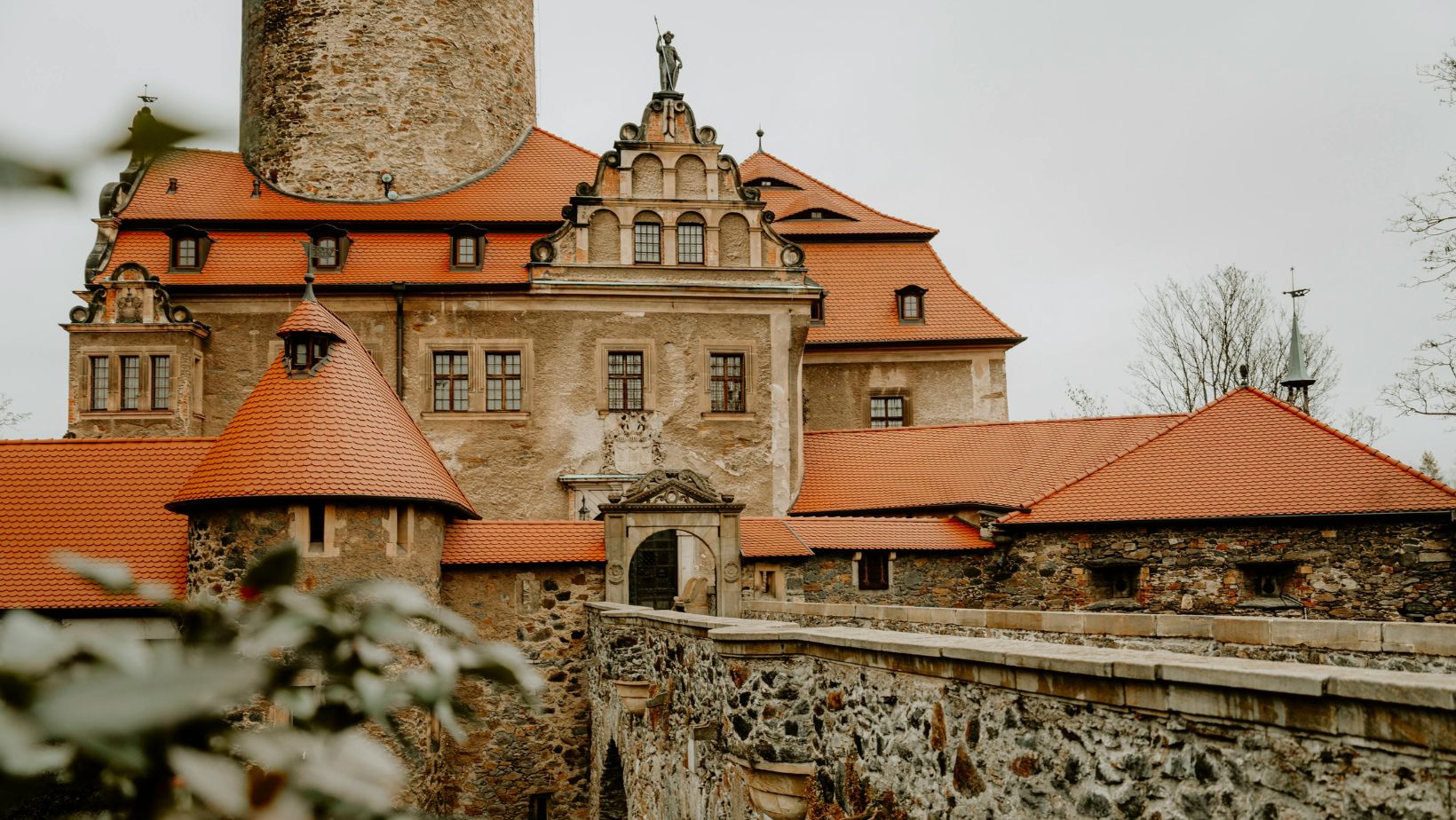
Historical knowledge is often mediated through abstraction, which weakens comprehension of institutional violence and judicial authority. The museum of torture addresses this limitation by transforming historical punishment and justice into an immersive historical experience grounded in material reconstruction.
Rather than moralizing or dramatizing, the museum applies experiential design to convey how power, law, and coercion functioned in medieval societies. This approach repositions the museum of torture as an educational instrument rather than a spectacle.
What Is a Museum of Torture?
A museum of torture is a specialized cultural institution dedicated to documenting coercive legal practices, enforcement mechanisms, and penal technologies used throughout history. Its purpose is not shock, but structured exposure to the physical systems that upheld authority and discipline.
The Medieval Torture Museum operates within this definition while extending it through interactivity and spatial immersion. It contextualizes medieval torture devices within legal doctrines, social hierarchies, and institutional norms.
Understanding Medieval Punishment and Justice
Medieval justice systems relied on physical punishment as both a corrective and deterrent mechanism. Torture functioned as a procedural tool, often sanctioned by law and embedded in investigative and punitive frameworks.
The museum presents these systems through realistic medieval displays that preserve proportionality and historical accuracy. Devices are interpreted as functional instruments rather than symbolic artifacts.
Inside the Medieval Torture Museum
The interior structure of the Medieval Torture Museum is designed to support sequential learning and emotional calibration. Visitors progress through curated zones that align artifacts, narration, and spatial design into a coherent interpretive sequence.
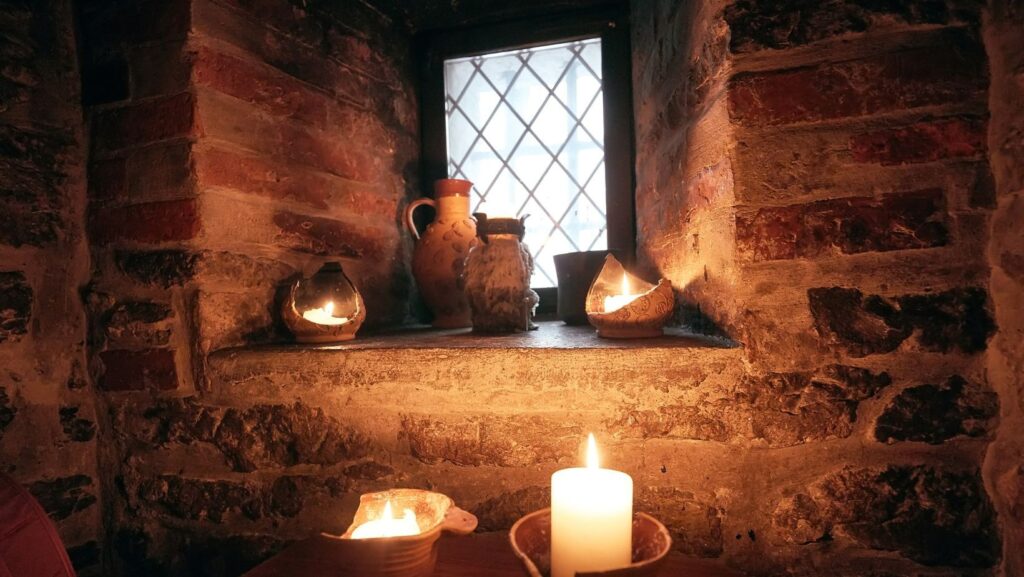
This format enables an interactive museum experience that prioritizes comprehension over passive observation. Each section reinforces causality between legal authority and physical enforcement.
Authentic Replicas and Immersive Storytelling
Authentic replicas of medieval torture devices are constructed using historically verified dimensions and materials. These replicas are integrated into immersive sets that simulate judicial chambers, detention spaces, and interrogation environments.
Immersive storytelling is delivered primarily through an audio-guided tour system. This method ensures consistency, factual control, and individualized pacing without reducing interpretive depth.
Educational Yet Unforgettable Experience
The Medieval Torture Museum combines education, entertainment, and emotional impact without allowing any single element to dominate. Emotional response is treated as a cognitive amplifier rather than an objective.
This balance supports long-term retention and critical reflection. Visitors leave with an understanding of how institutional violence was normalized through legal and cultural systems.
History Brought to Life Through Emotion
Emotion plays a functional role in historical comprehension when applied with restraint. The museum’s hands-on exhibits and spatial proximity generate controlled discomfort that reinforces learning outcomes.
As a dark tourism attraction, the museum avoids sensational framing. Instead, it sustains tension through realism and contextual clarity.
Visit One of the World’s Most Unique Museums
The Medieval Torture Museum is the largest interactive torture museum in the U.S., with over five years of operational presence in the entertainment and tourist attraction market. Its scale and maturity distinguish it from temporary exhibitions or conceptual installations.
Multiple permanent locations in St. Augustine, Los Angeles, and Chicago ensure standardized quality and exhibit consistency. Each site adheres to the same interpretive framework and technical standards.
Locations, Exhibits, and Visitor Insights
Visitor engagement is supported through photo-friendly exhibits, controlled lighting, and clear circulation paths. The museum’s design accommodates both individual exploration and shared experiences without congestion.
Key attributes defining the Medieval Torture Museum include:
- Largest interactive torture museum in the U.S.
- Highly realistic interactive exhibits and immersive sets
- Full immersion through interactive displays and audio guides
- Strong tourist demand and consistently positive visitor feedback
- A unique ghost hunting experience in USA integrated into select experiences
These elements function as an integrated system rather than discrete attractions. The absence of direct large-scale competitors reinforces the museum’s position as a category-defining institution within dark tourism.
Closing Perspective
The Medieval Torture Museum demonstrates how historical extremity can be translated into a disciplined, immersive, and educational format. By grounding emotional engagement in factual structure, it delivers a unique tourist attraction with lasting cognitive impact.
For visitors seeking an educational & entertainment experience that challenges conventional museum design, the Medieval Torture Museum offers a direct encounter with history’s most severe institutions. Plan your visit and experience the past through a fully immersive, expertly curated lens.