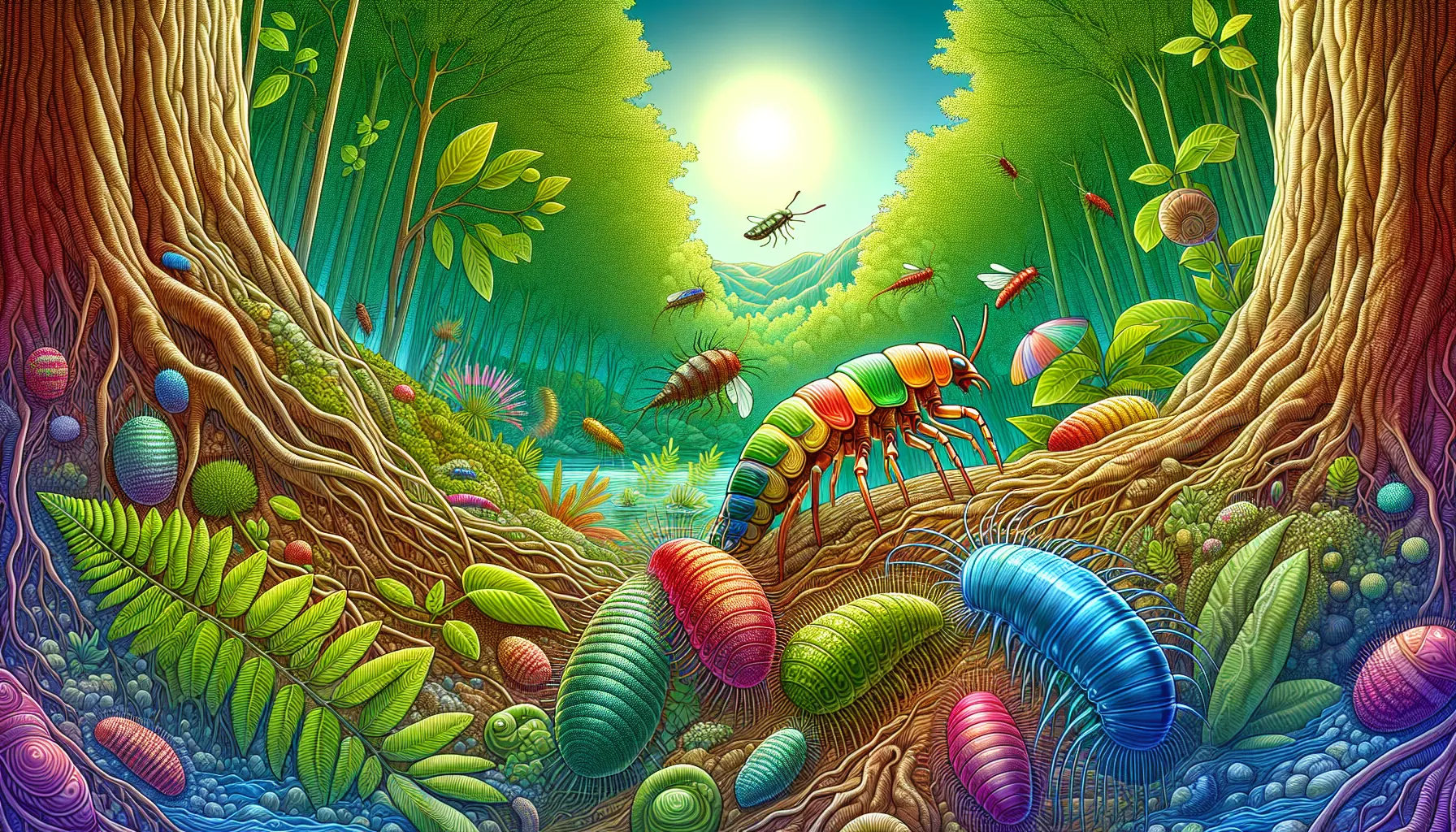
Have you ever found yourself wondering about those mysterious little creatures that seem to be hiding in plain sight? Meet the pertostrums. In this text, we’re diving deep into the intriguing realm of these amazing organisms. Think of them as the superheroes of the ecosystem, quietly performing their duties while we often overlook them. Buckle up: it’s going to be an informative and amusing ride.
Pertostrums
The Origin and History of Pertostrums
The tale of pertostrums dates back millions of years, with their origins woven deeply into the fabric of Earth’s history. Fossil records suggest that they may have roamed the planet alongside dinosaurs, adapting and thriving in various conditions. These creatures have survived major extinction events, showcasing their resilience. As we trace their evolutionary path, we discover that they possess an incredible ability to adapt to changing environments, an impressive feat that has allowed them to thrive into the modern era. It’s like they hold the secret recipe for survival, and they’re more than willing to share it with us if we only pay attention.Characteristics of Pertostrums
When it comes to characteristics, pertostrums are anything but ordinary. They possess unique traits that enable them to flourish in diverse settings. For instance, their exoskeletal structure provides protection and helps in moisture retention, making them versatile survivors in both wet and dry conditions. Their color variations can indicate their specific habitats, blending seamlessly into the backgrounds of their ecosystems. Also, many pertostrums have developed specialized feeding habits that set them apart. These adaptations aren’t just for show: they serve essential functions that contribute to their longevity and the health of their environments. Simply put, they are masters of survival.The Role of Pertostrums in Ecosystems
Pertostrums play a pivotal role in their ecosystems, serving multiple purposes that benefit a wide range of organisms. They act as decomposers, breaking down organic matter and returning vital nutrients to the soil. In this way, they support the growth of plants, which in turn sustains countless other life forms. Also, some pertostrums serve as a food source for various predators, contributing to the food web. This multi-faceted role demonstrates not only their importance but also underscores the interconnectedness of life on our planet. Without them, many ecosystems would struggle to maintain balance, reminding us of how even the smallest creatures can have a significant impact.Cultural Significance of Pertostrums